

Postnatal anxiety therapy : Online across the UK and internationally
Postnatal anxiety (also called postpartum anxiety) is persistent worry, fear or tension after having a baby that feels hard to switch off. It’s very common, and it is treatable.
I’m Sophie Harris, a BABCP accredited CBT therapist specialising in postpartum and motherhood. I offer postnatal anxiety therapy online across the UK and face to face in Bristol.
If your mind never seems to rest, you’re checking on your baby constantly, or you feel on edge even when everything is fine, you don’t have to keep coping alone.
Book a free 20-minute consultation →
Written by Sophie Harris, BABCP accredited CBT therapist. Last reviewed: 26 October 2026
What is postnatal anxiety?
Postnatal (also called postpartum) anxiety is anxiety that develops or continues in the first year or so after having a baby.
Some anxiety after birth is normal. Postnatal anxiety is when the worry feels constant, out of proportion or hard to control, or when it starts to affect your sleep, your enjoyment of your baby or your daily life.
There are many factors that can contribute towards you experieicing more anxiety, including your background, personality traits and traumas. In addition to this, we are living in a society that actively contributes to this anxiety for new mums, we experience information overload about how we should and shouldn’t care for our babies, which often can leave new mums feeling overwhelmed and anxious.
Despite postpartum anxiety being very common, it’s often overlooked, because people tend to talk more about postnatal depression.
Signs of postnatal anxiety
Thoughts and worries you might notice:
“What if” thoughts about something happening to your baby
Catastrophising about minor problems related to your baby.
Worrying that you’re not doing enough, or doing it wrong (you might be really prone to feeling guilty!)
Difficulty switching off, even when the baby is asleep
Unwanted or frightening thoughts that pop into your head (see Overcoming Scary Thoughts)
Health worries about yourself or your baby
What you might feel in your body:
Feeling like you are in ‘survival’ mode and unable to feel relaxed and in the present.
A racing heart, tight chest or shallow breathing
Feeling shaky, sick, restless or on edge
Panic attacks
Trouble sleeping even when you’re exhausted
What you might find yourself doing:
Using AI or Google to research your anxieties in a hope to get reassurance.
Checking your baby’s breathing, temperature or monitor again and again
Avoiding going out, or avoiding being left alone with your baby
Needing constant reassurance from your partner, family or GP
Snapping or feeling irritable because you’re so wound up
Is it normal to feel anxious after having a baby?
Absolutely. Some worry is a normal part of becoming a parent. It is completely understandable to feel anxious whilst you get used to casting for your new little person! However, it’s worth getting support when the anxiety doesn’t get better over time, or if it feels overwhelming, stops you sleeping or enjoying time with your baby, or you often find yourself doing things (like checking and reassurance seeking) to cope with it.
Different forms postnatal anxiety can take…
Anxiety after birth isn’t one thing. It can show up as:
General, constant worry
Panic attacks
Health anxiety (about you or your baby)
Intrusive thoughts and postpartum OCD
Fear and distress linked to a difficult or traumatic birth [ADD: link to your birth trauma page when live]
What causes postnatal anxiety?
There isn’t one cause. Common factors include:
Hormonal changes and sleep deprivation
A sudden jump in responsibility
A difficult birth, or a baby with health worries or time in NICU
A history of anxiety or perfectionism
Limited support, or feeling you have to do everything yourself
Pressure from social media or advice from everywhere
Previous loss or fertility struggles
What happens in a therapy session?
We start with a free 20-minute phone consultation to talk through what you’re experiencing and whether we’re a good fit.
Sessions typically last 50 minutes and can be short-term (around 6 weeks) or longer-term (20+ weeks), depending on your goals. We’ll discuss what works best for you during our initial consultation.
I’m here to ensure that you get value from every session. Between appointments, I’ll provide manageable tasks that are specifically designed to support your progress and make you feel better. We’ll work together to make sure these fit into your busy schedule.
How CBT can help with postnatal anxiety?
Cognitive Behavioural Therapy (CBT) is a practical, evidence-based talking therapy that looks at how your thoughts, feelings, body sensations and behaviours keep anxiety going. Research suggests CBT, including when delivered online, can reduce anxiety after birth [ADD: link to NICE guidance and/or a study, and check wording].
In our sessions we might:
Work out what is triggering and maintaining your anxiety
Look at unhelpful worry patterns and learn to respond to them differently
Reduce the checking, reassurance seeking and avoidance that keep anxiety going
Use exposure-based techniques for panic, intrusive thoughts or OCD
Build practical calming and coping skills that fit around life with a babyHow much does it cost?
Online or face-to-face therapy
I offer online postnatal anxiety therapy across the UK and internationally, so you can have sessions from home, around naps and feeds. I typically work 10am-3pm UK time, Monday - Friday,
In Bristol I offer face-to-face sessions on a Thursday from my beautiful office on Park Street in Central Bristol. See Postpartum Therapy in Bristol. If you are local to Bristol, you are also welcome to do a mixture of in-person or online sessions, depending on your commitments or tiredness levels on the day.
Postnatal anxiety support for British mums living abroad
Having a baby far from home can make anxiety feel heavier. Many of the mums I work with are British or UK-connected and living overseas, often without family or their usual support network nearby. I offer online postnatal anxiety therapy to clients internationally, apart from USA and Canada.
Common challenges for mums abroad include:
Missing family and friends, and having no one nearby to ask for help
Feeling isolated or cut off from other mums
Navigating an unfamiliar healthcare system, language barrier or cultural differences
Conflicting advice and expectations from the culture around you
A partner who works long hours or travels
Time zones and availability: I
Good to know: sessions are in English. I offer online postnatal anxiety therapy to clients internationally, apart from USA and Canada due to state liscencing laws..
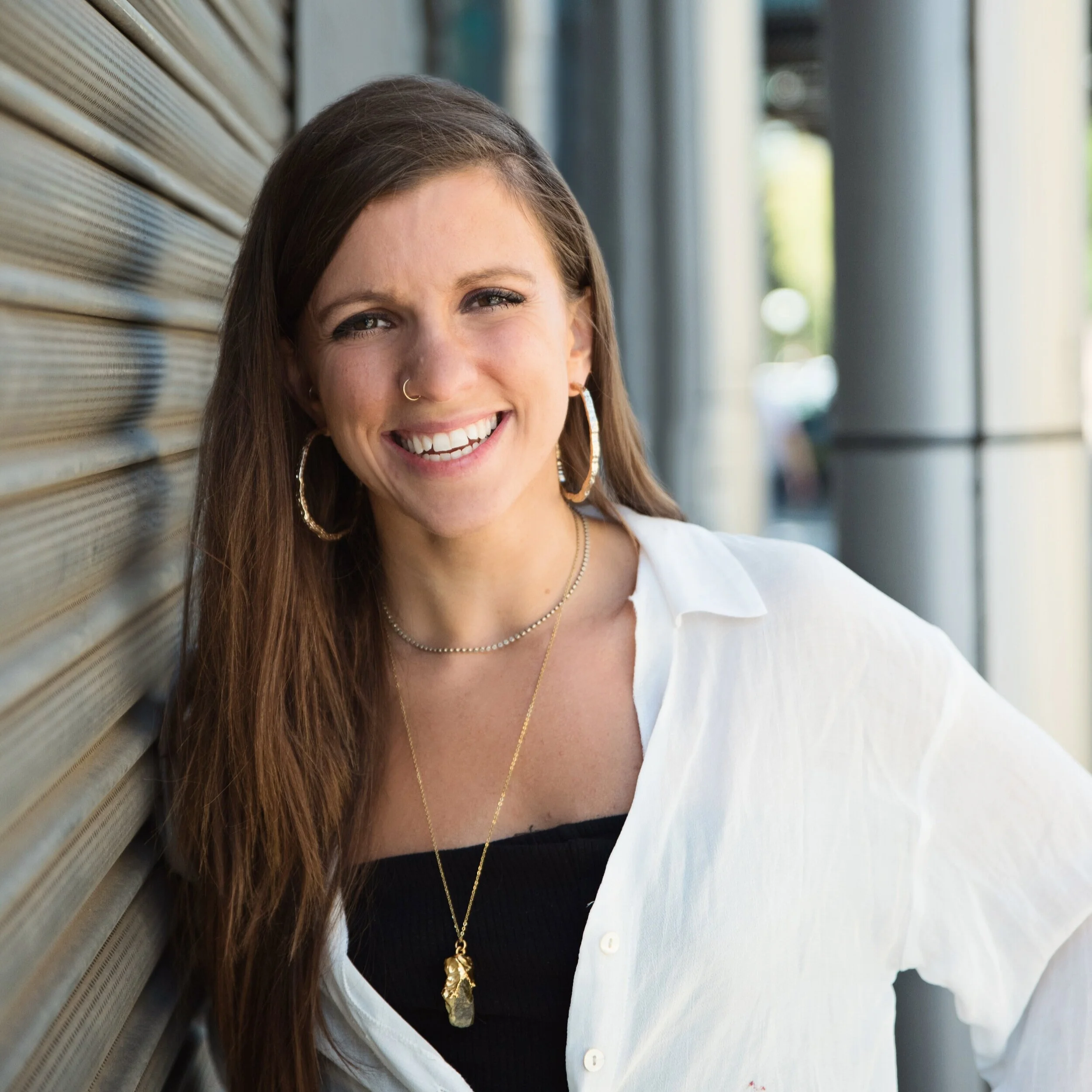
Hi, I’m Sophie Harris, Specialist Postpartum and Motherhood CBT Therapist. I am BABCP accredited, and I’ve been working in mental health since 2008, first in the NHS and now through my private practice, since 2020. I know first hand how it feels to experience mental health challenges as a mum, and I use this to inform how I help other mums who are experiencing similar struggles.
I take a holistic & practical approach to supporting mums in managing their postnatal anxiety. Whether you’re adjusting to life with a newborn or navigating the ups and downs of early childhood, I’m passionate about helping women regain their confidence and balance, both as individuals and as mothers.
Your postpartum anxiety therapist…Who am I?
What my clients are saying….
Therapy with Sophie helped me feel less anxious about becoming a mother. It also helped me process issues I had leftover from past relationships which has helped me be more present with my current partner and communicate better. At the start of therapy I was anxious and I was teary all the time. Now I feel less anxiety and when I do feel anxious I have the tools to cope better. I feel so much calmer and happier in myself.
Client treated for anxiety during pregnancy.
How much does therapy for postnatal anxiety cost?
£125 per 50-minute session
I offer a free 20 minute consultation to consider whether this is the most helpful treatment option for you.
I am a recognised provider with major health insurers and have a small number of appointments available for insured clients. (inc: AXA, Aviva, Cigna).
If you are seeking therapy via an insurance company, please send me an e-mail to sophie@lookingaftermum.co.uk to check availability before booking a consultation.
What’s next?
If you are interested in working together then I offer a free 20-minute phone consultation. This is a great chance for me to get an understanding of where you are at and whether therapy together will be a good fit for you. To book a consultation, use the button below. If you have any questions e-mail me at sophie@lookingaftermum.co.uk.
What my clients are saying…
“Take the plunge. Having the courage to admit what you are struggling with and share your worries is really cathartic. Sophie really helps you to understand how to think differently about your anxieties and that time and consistent practice can help you to overcome them or learn how to manage them. I left it late in my pregnancy to deal with my problem and wish I had done it sooner because it has massively helped me. Best decision I made!”
— Client treated for birth-related anxiety.
Your Questions, Answered
-
Yes. It can begin at any point in the first year, and sometimes later, and it can appear with a second or third baby even if your first experience was calm. This might start due to a specific incident such as illness or potentially dangerous situation, or sometimes postnatal anxiety may arise for no obvious reason.
-
Postnatal anxiety (also called postpartum anxiety) is ongoing worry, fear or tension after having a baby that feels hard to control. It can include physical symptoms such as a racing heart, panic attacks, checking behaviours and trouble sleeping.
-
Some worry is normal. If the anxiety is constant, feels overwhelming or is affecting your sleep, enjoyment or daily life, it’s a good time to get support. You don’t need to wait for it to get worse.
-
Unwanted, frightening thoughts (for example, imagining something bad happening to your baby) are very common after birth and don’t mean you want them to happen. If they are distressing or frequent, therapy can often help. Read more in my Overcoming Scary Thoughts workshop.
-
Typically, therapy sessions are short-term (around 6-12 weeks) , but can also be longer-term depending on your goals. Each client is different, but from my experience as a therapist, many mums experiencing postnatal anxiety can feel better relatively quickly compared to some other mental health issues.
-
The sessions are 50 minutes.
-
BABCP accredited Cognitive Behavioural Therapist (membership number 170746)
Postgraduate Diploma in High Intensity CBT (Graduated from University of Canterbury Christchurch, 2018)
Occupational Therapy Bsc Hons (Graduated from University of West of England, 2013)
Founder of Looking After Mum (since 2020)
Working in NHS mental health services (2008-2022)
-
Yes, the s often works well for those times that it isn’t possible to get to the therapy office in Bristol.
-
My therapy office is based at:
Vessel Therapy Spaces Park Street,
49 Park St, Bristol BS1 5NT
(Entrance is pink door on Great George St) -
Sessions are £125 per 50-minute session.
-
I am a recognised provider with major health insurers and have a small number of appointments available for insured clients. (inc: AXA, Aviva, Cigna).
If you are seeking therapy via an insurance company, please send me an e-mail to sophie@lookingaftermum.co.uk to check availability before booking a consultation.
Already had your baby?
If you're navigating motherhood and looking for support, find out more about how I can help you here.