
How a postpartum therapist can support you after having a baby
By Sophie Harris - Postpartum & Motherhood Psychotherapist

Having a baby is probably the biggest life transition that you will ever experience. Alongside some beautiful moments, many new parents experience emotional changes that can feel confusing, overwhelming, or isolating. It is a time as a new parent you may struggle with your mental health, even if you never have had difficulties before. If you’re searching for a postpartum therapist, you may be noticing that something doesn’t feel quite right, it might be that you are questioning whether you have postnatal depression, or you might be feeling far more anxious than usual.
You may also hear the term postnatal therapist and postpartum therapist used in conversations about mental health after birth. Both terms describe therapists who specialise in emotional support during the months following childbirth, and sometimes for years later after becoming a mum as well. This article explores how a postpartum therapist can help, what postpartum therapy involves, and when it might be time to reach out for support.
What is a postpartum therapist?
A postpartum therapist is a mental health professional who specialises in supporting individuals during the postpartum period, as mentioned, this can be the following months or years after giving birth. This stage usually involves significant emotional, hormonal, physical, and identity changes, and it can affect people in very different ways.

Postpartum therapists commonly support clients who are experiencing:
Postpartum anxiety (it is very common to feel much more anxious durinng postpartum)
Postnatal depression (or cycles of low mood)
Birth trauma or distressing birth experiences
Dealing with anger, rage and resentment (much more common than people think)
Intrusive or unwanted thoughts
Health anxiety about yourself or the baby
Changes in your identity - how to adjust to being a mum.
Relationship changes with your partner or other family members.
Difficulty bonding with your baby
Dealing with your own childhood trauma
From my work as a postpartum therapist for mums, I see clients for all kinds of reasons. Many mums that I see struggle with their change in identity, and find it difficult to get used to their life changing overnight, once they have had their baby. Other clients feel far more emotional than they expected. Many mums talk about feeling more anxiety, anger and often resentment during the postpartum period. These are often experiences that we feel unprepared for, and can come as a real surprise as you navigate the early months and years of being a mum.
Postpartum and postnatal therapy: Understanding the language
You may notice the terms postpartum and postnatal used interchangeably. A postnatal therapist and a postpartum therapist typically provide the same type of support, focusing on mental health after childbirth.
There is no clinical difference between the 2 terms, instead it tends to be a choice of language. Some professionals or regions prefer one term over the other, but both refer to therapy that supports emotional wellbeing during the post-birth period. When you are looking for a therapist, you can choose either term, as they will both do the same job. What is most important, is finding a therapist with experience working with new parents to help you navigate the feelings you are experiencing.
How postpartum therapy can help
Postpartum therapy will be adapted to your individual needs. In your first session, you will talk about the priorities that you have for your sessions, and what you want to get out of your therapy.
For many new mums, you may have never had therapy before. However, there are so many aspects of becoming a mum that can bring up feelings related to your mental health. This does not mean that you are mentally ill. Instead, it just means that you may benefit from support in help you make the huge shift into motherhood.
A postpartum therapist may support you in:
Processing a difficult or traumatic birth experience
Managing anxiety, panic, or intrusive thoughts
Navigating identity changes after becoming a parent
Finding coping skills and emotional regulation
Improving communication with your partner or family members.
Developing self-compassion and realistic expectations
I work as a postpartum therapist, and I had my own postpartum therapy after the birth of my child. The work that I did with my therapist has helped me immensely. My personal work included working though some childhood trauma that becoming a mum brought to the surface. I also have learnt many additional coping skills to help regulate my emotions. I now feel fully equipped to take control when I am feeling more overwhelmed or low in mood. I also am far more able to manage feelings of anger as they arise, which was something in motherhood that I initially struggled with.
Finding a postpartum therapist for you
If you’re searching for a postpartum therapist near me, it’s important to look for someone who has specific experience working with postpartum mental health. This ensures your therapist understands the complexity of transitioning to motherhood. There are so many factors that are unique to this period including hormonal shifts, changes to your relationship, emotional patterns.
When choosing a postpartum therapist, consider:
Their training or experience in postpartum or postnatal therapy- Will this person understand your experience?
Whether they offer in-person or online sessions - Would it be more helpful to you to have the flexibility of working online with a therapist or would you prefer to visit someone face-to-face?
Their therapeutic approach - What type of therapy do they offer? If you are looking for coping mechanisms to help you navigate this period then forms of therapy such as Cognitive Behavioural Therapy may be best suited to you. Or if are wanting support to navigate your relationship with your partner, then a form of relational therapy or couples counselling may be more useful.
Their personality and values - Do they seem like the type of person you can connect with?
Their understanding of you during your initial contact - Does the feedback that the postpartum therapist provides match with your experiences?
Many postpartum therapists offer online therapy, making support accessible across the UK.
As a postpartum therapist myself, I choose to work online. I find this to be the most helpful way of working as it allows my clients to fit their sessions in with limited time. Often clients are reliant upon their partner’s work schedules, and online postpartum therapy allows this to be much more possible.
Will your baby be allowed into your postpartum therapy session?
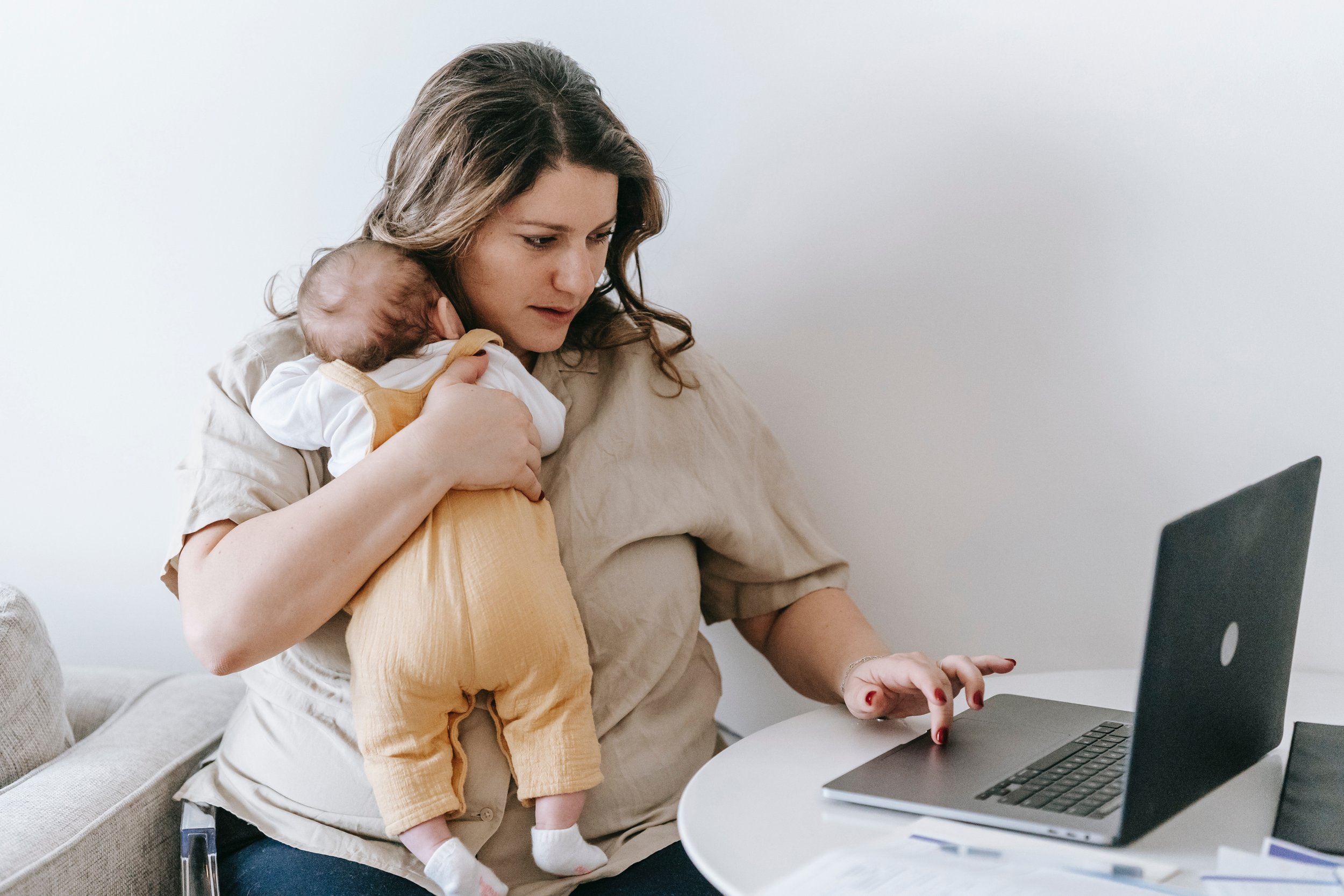
Each therapist will have different rules for this. It is worth checking during your initial contact what their expectations are around your baby attending the session.
My personal guidance is that I am happy for your baby to attend a therapy session if required. It is ideal if someone else can take care of your baby, so that you can fully concentrate on the session. However, there are many logistical reasons why this may not be the case. Therefore, babies attend my postpartum therapy sessions regularly when my client is unable to get childcare.
A final note…
Postpartum can be such a beautiful time. However, for most people it is far more complex than that. You may be having a mixed experience of positive and challenging feelings. Or like many people, you may be having a very difficult time. If this is you, please know that what you are experiencing is very common, and that you can and will feel better from this.
Working with a postpartum therapist can help you navigate this transition. A good postpartum therapist will help you to feel validated and understood, as well as helping you build coping skills and resilience as you go into your next chapter of being a mum.

Hi, I’m Sophie
I am a Postpartum and Motherhood Therapist, and founder of Looking After Mum. I love helping new mums overcome anxiety and low mood to feel confident and content. I provide 1:1 therapy, host online workshops and create content on my Instagram page.
If you are looking for postpartum support for you or a loved one, then use the button below to find out more about the therapy I offer, and how it can help you.